Pip: BEYOND THE LANE has been asking what canoe sprint looks like when you move it off the regatta course and into the middle of a city — and the answer, apparently, involves a football World Cup viewing party as a neighbour.
Mara: PADDLE GAMES has been introducing the Athletes Commission, a group of paddlers working directly on the future of the sport. Let’s start with who those athletes are and what they’re actually building toward.
Meet the Athletes Commission
Pip: The premise here is straightforward but genuinely interesting: instead of administrators deciding what canoe sprint should become, the sport is putting athletes in the room. The question is what those athletes actually think needs to change.
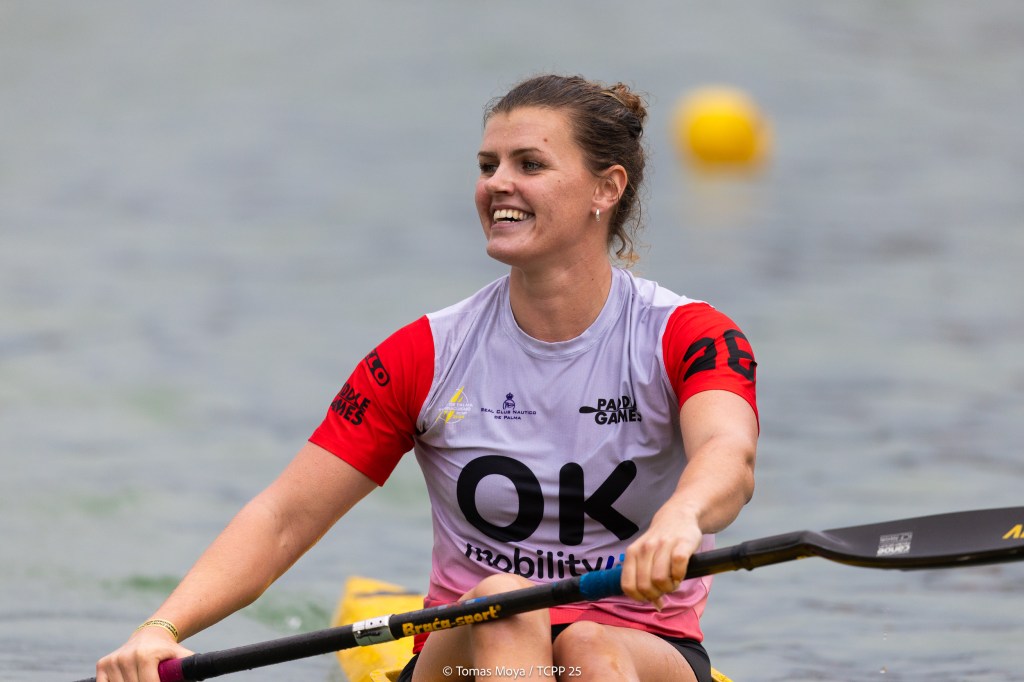
Mara: Victor Aasmul sets the frame directly. On why the sport needs events like this, he says: “I know so many people who have been impressed by what the sport offers once they’ve made the trip to a regatta course — but very few do unless they have a personal connection to it: knowing someone, following someone, having something invested.”
Pip: That’s the access gap in one sentence. The sport is compelling up close and invisible from a distance, and the whole commission exists to close that distance.
Mara: Aasmul goes further on what the format should feel like — he wants events where socialising and competing carry equal weight, with genuine space for younger athletes and fans to connect, rather than everything being filtered through Olympic qualification points.
Pip: Which is a polite way of saying the current calendar is optimized for a very specific kind of athlete with very specific stakes, and everyone else is watching from a car park.
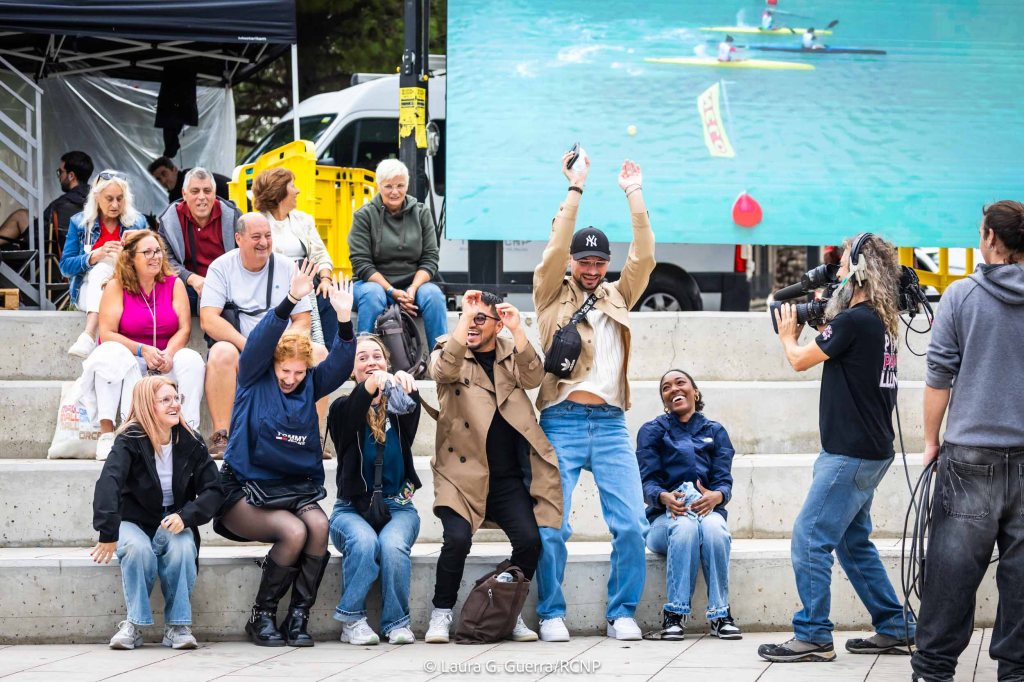
Mara: He’s also not speaking abstractly. He’s currently building a 100-meter knockout sprint event in Copenhagen at Islands Brygge, with the Football World Cup viewing party a few hundred meters away. The goal is eventually to move racing to the lakes of Copenhagen — something the Danish community has discussed for years, last done in 1993.
Pip: A city-center race that hasn’t happened in thirty years and a World Cup crowd next door. That is not a small ambition.
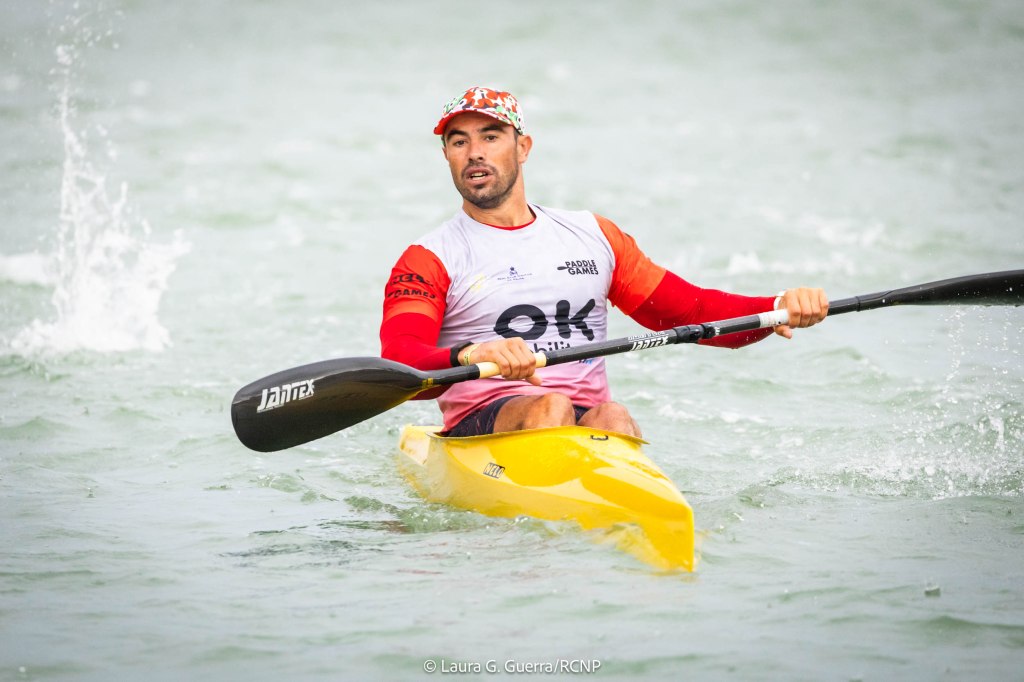
Mara: Tom Liebscher-Lucz, three-time Olympic champion and the second member of the commission, echoes the visibility point directly: “We have incredible athletes, stories, and races, but too few people get to see them. We need to make our sport easier to discover, follow, and connect with.”
Pip: Between Aasmul’s access argument and Liebscher-Lucz’s visibility argument, the commission is diagnosing the same problem from two angles — the sport is good, and almost nobody knows it.
Mara: Liebscher-Lucz describes his ideal creation as a festival-style event in a city center: short races, music, athlete interaction, activities for families — sport, entertainment, and community in one place. Both athletes frame the commission itself as a chance to learn, not just advise.
Pip: That framing matters. These aren’t figureheads signing off on a brochure — they’re in the design process from the start, and the third commission member is still to come.
Mara: The through-line is consistent: bring the sport to where people already are, rather than asking people to travel to where the sport has always been.
Pip: Next time, presumably, we find out who the third voice in that room is.
 BEYOND THE LANE.
Leave a comment