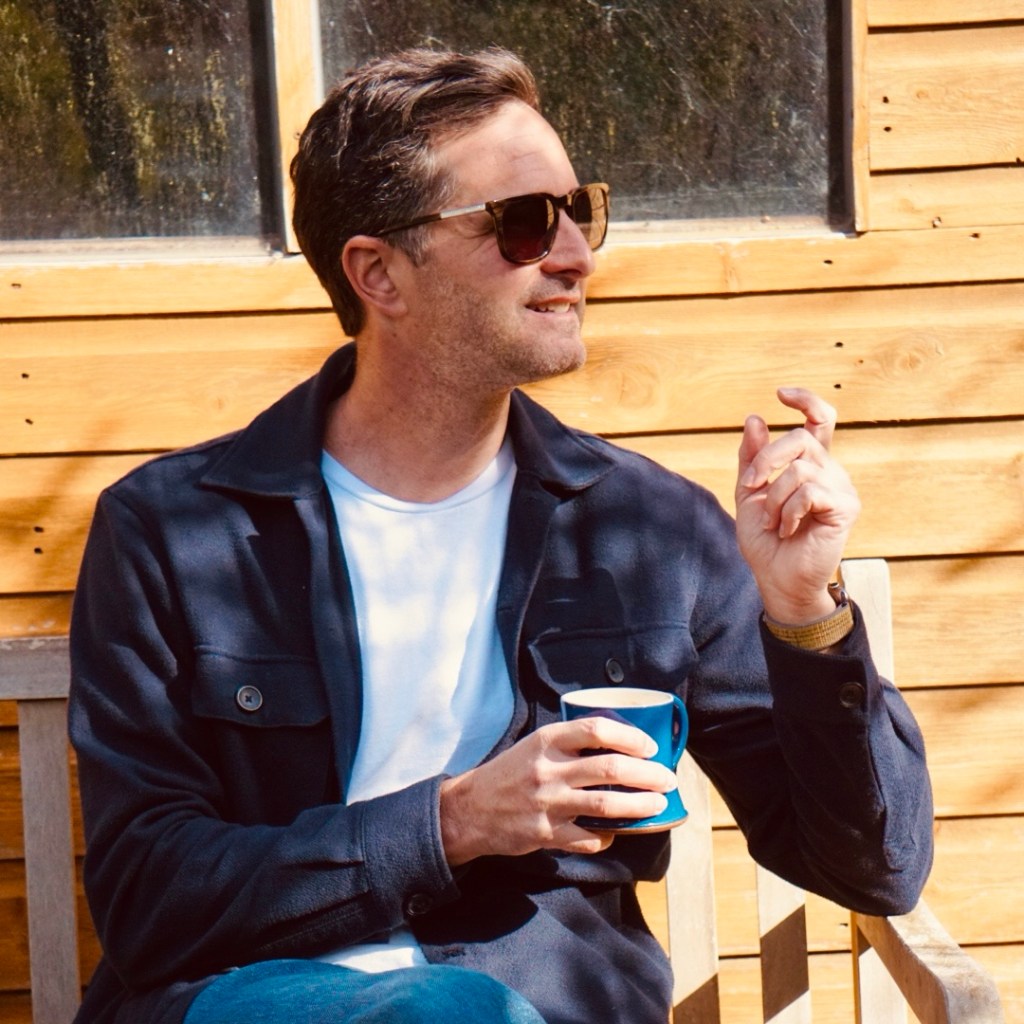
A Conversation with Ekaitz Saies, Founder and CEO of Paddle Games
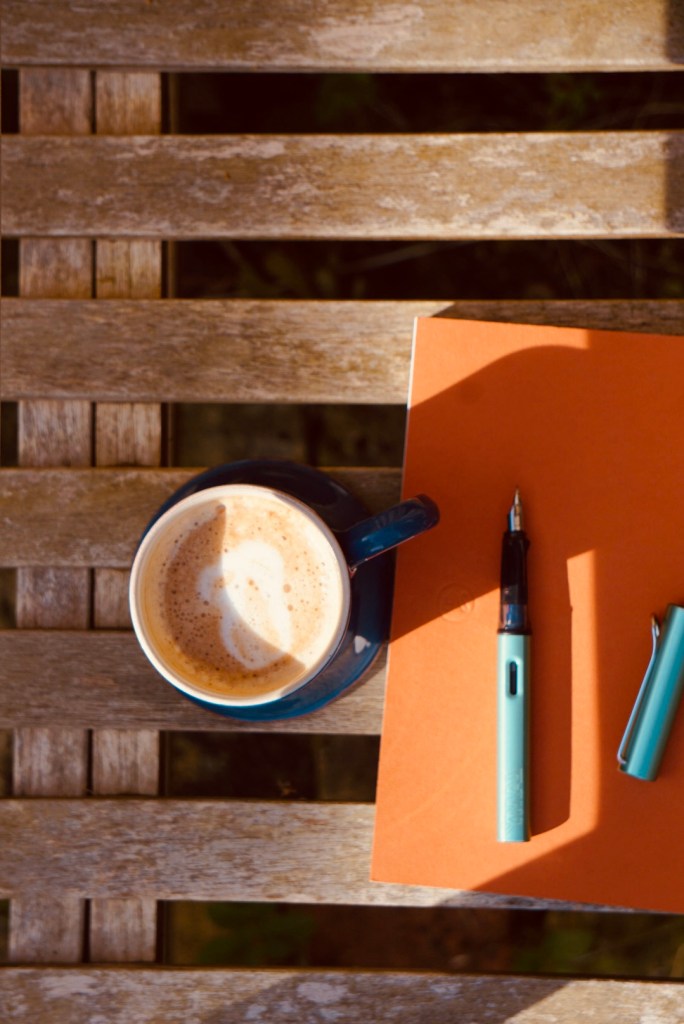
This was not meant to be an interview. The aim of our coffee catch-up was to discuss the content of our newsletter announcing some exciting news. However, as we have shared before, we want to do things differently. So we diverted from the original plan and decided it would be far more interesting to record the conversation. What followed ranged from Oxford’s dreaming spires to the Cathedral of Palma to other amazing venues we can’t reveal yet — and from reinventing the game to writing entirely new rules. Pull up a chair.
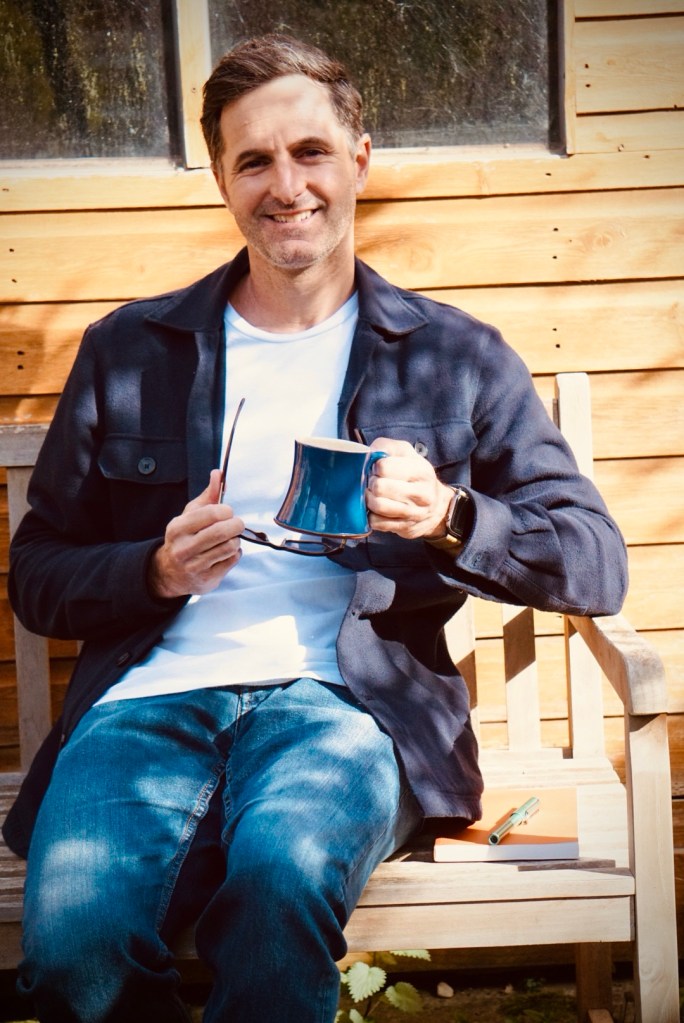
You live in Oxford now. Does the city feed into the way you think?
Enormously. It’s a very inspiring place. I love walking or cycling around the city — it feels like I’m in a film. For such a small place, Oxford has some of the best museums in the country. Thanks to the university, it’s genuinely diverse and cosmopolitan, which suits my family perfectly; we are an international family. It’s also a young city. Any day at University Parks, where I go running or play with my kids, you see young people exercising. That energy is infectious.
Then there are the heroes. Roger Bannister — the first person to run a mile under four minutes, who was also a medical doctor and a scholar — broke the record on the Iffley track. I go there sometimes just to find inspiration. Tolkien and C.S. Lewis drank in the same pub that still stands around the corner. Lewis Carroll wrote Alice in Wonderland here. And every May Day, the choristers of Magdalen College sing from the tower at six in the morning — a tradition that stretches back to more than five hundred years. I paddle my kayak underneath and listen. There is something about being surrounded by that accumulation of ideas, history, and ambition that clarifies your own thinking. And as an unrepentant curious, being around academics and engineers means I am always learning something I can apply to my work or my life.
When are we organising a Paddle Games event here, then?
Eventually — I still need to find the right contacts to make it happen. But I can already picture it: a race going upstream from Folly Bridge, turning around the island, and finishing in the same spot. The setting would be visually extraordinary. Oxford on a summer evening, the stone buildings reflected in the water, the crowds on both banks. It’s there in my mind.
Let’s talk about Palma. You recently held the second edition of the Paddle Games there. How did it go?
I am incredibly proud of what the team achieved. The core idea was simple but radical: take the sport to where people are, rather than asking people to come and find the sport. So, we decided to move the race even closer to the city centre, right below the impressive Cathedral.
Too often, paddling is held in remote venues. We flipped that. We brought the race into the city — no official course, no fixed lane markings. The Monaco Grand Prix of paddling, if you like.
The conversations I had with paddlers and spectators after the race reminded me why we started this. There is a beauty and an energy in this sport that almost nobody outside our community has ever been allowed to see close up. That is the Paddle Games’ entire purpose.
You want to announce that we are activating Phase Two of our strategy. What does that mean in practice?
After two very successful editions in Palma, we can see that there is wider appetite — from other cities, from athletes, from people who simply watched online and sent us messages saying they wanted something similar near them. To serve that appetite, we needed a bigger and more structured team. So we have now confirmed our board, our technical commission, and our athlete commission. True to our philosophy, these are lean groups — people who can move swiftly from idea to execution without the drag of bureaucracy. Every single person I approached accepted the role, which tells me something meaningful about the confidence people have in what we are building. They are all A Players. I’m very happy.
The ambition for Phase Two is to add at least one more event to the calendar this year or next, and to create a European Tour of three to five events by 2030. I receive messages most weeks from people suggesting locations — some of them I had never heard of, and when I look them up on Google Earth I understand immediately why they are recommending them. We are significantly underestimating the quality of paddling venues that exist across this continent.
Where are the dream locations?
San Sebastián is personal — it is my hometown, and a race on the beach there would mean something to me. Bilbao in front of the Guggenheim is another. Imagine the visual: elite athletes at full sprint with that Gehry building as the backdrop. The photographs alone would do our marketing for us. But honestly, the list grows every week.
What makes paddling sellable to a general audience that has never watched the sport?
Think about what the sport actually offers. It is outdoors. The athletes move across water under their own power, which is a visceral, beautiful thing to watch. They have extraordinary physiques built entirely from functional sport. The weather conditions are variable — wind, current, the unpredictable surface of open water — so no two races are identical. It is physiologically one of the most demanding sports in existence. And yet almost nobody outside our world has ever seen it up close. All you need to do is remove the distance between the athletes and the public, and the sport sells itself.
That is what the Paddle Games is built on. When we put on an event, every detail is designed around the experience. From the moment elite athletes are collected from the airport to the card they find in their hotel room. The team presentation the evening before. The personalised kit. NELO’s technical support. The DJ. The VIP zone. The trophies. The cava on the podium. The all-white celebration party. The live broadcast. These are not luxuries — they are signals to athletes that they are valued, and signals to audiences that this is something worth their time. Phase Two doubles down on all of it.
You mentioned broadcasting. How important is the media dimension?
It is central. The on-site audience is one thing, but the reach we get through live and post-event broadcast is what converts curiosity into genuine following. We are exploring new technologies — I cannot say more than that at this stage — but the way we cover a race is something we take as seriously as the race itself. Covering it well is not complicated; it just requires the same creative ambition that we apply to every other element of the event.
You mentioned financial expansion. How are you thinking about funding?
We are in conversations with a potential new hosting city, and we are considering a crowdfunding campaign to build the financial muscle we need to deliver at the level we want. The Paddle Games is a project that people can believe in and invest in directly, not just watch. There is something philosophically consistent about that — if our events are built on closeness between athletes and audience, then our funding model should reflect the same relationship.
Linked to the Paddle Games, you are also working on a book.
I have been gathering books, papers, and articles on canoeing for years. After my first book, The Champion’s Mindset, I started giving shape to something I am calling Paddling Fast, which I will publish under Paddle Games. The aim is to take everything I have learnt across my career — the physiology, the technique, the periodisation, the psychology, the nutrition, the coaching philosophy — and present it in a way that is rigorous but accessible. Not an academic text. A practitioner’s book for coaches and athletes who want to go deeper.
I have an adapted periodisation framework in there specifically for athletes racing multiple times per year, which is directly relevant to athletes who will compete at Paddle Games events as well as traditional competitions. The previous book took five years. Life is too busy at the moment to promise a quick turnaround on this one, but I can say it is close.
There is also a project for children that you have been trying to get off the ground.
Yes — a local, junior version of the Paddle Games for children between ten and fourteen. Last year we bought four NELO 400 boats: unsinkable, very stable, made from recycled plastic, designed for good sprint technique from the beginning. The idea is to pilot the format with one club in the UK, create something genuinely fun and competitive in a healthy way, and build from there. I have been too stretched to activate it this year, but the boats are sitting there waiting. If anyone in the UK reads this and wants to get involved in the pilot, please get in touch. (info@paddle-games.com)
What does the Paddle Games look like at its fullest realisation?
A World Tour that people plan their summers around. Events in cities where the race course is a conversation piece in itself — not an anonymous stretch of flat water outside town, but vibrant inner city centres. A broadcast product that mainstream sports audiences watch without needing any prior knowledge of paddling. A community of athletes who feel genuinely celebrated. And a junior programme that gives the next generation its first experience of the sport in an environment that is joyful and ambitious rather than technical and intimidating.
Right now we are focused on high-profile Olympic athletes — and rightly so. They are the ones with the profile, the story, and the performance level to anchor the event and draw an audience. But I want the Paddle Games to eventually become a stage for a much wider group of athletes. I know from personal experience how brutal the selection process at the top level can be. I earned an Olympic quota and didn’t make the London 2012 team. I had my best international season in 2009 and still wasn’t selected for Worlds or Euros in 2010. That is the reality of elite sport, and it leaves extraordinary athletes without a stage worthy of their ability. The Paddle Games can be that stage. Athletes who might not be going to the Olympics but who are fast, exciting, and deeply committed to the sport — they deserve to race in front of big crowds, feel the energy of a exciting event, and be celebrated for what they are. That is part of what we are building.
We are not trying to replace traditional canoeing. We have enormous admiration for the Olympic programme, for the coaches and clubs that built this sport over decades. Everything we are doing is built on the foundations they laid. But the Paddle Games exists beyond the lane — beyond the marked course, beyond the traditional venue, beyond the audience that already knows the sport. We respect what came before. Now we are writing our own rules — and it is going to be loud, and it is going to be fun.
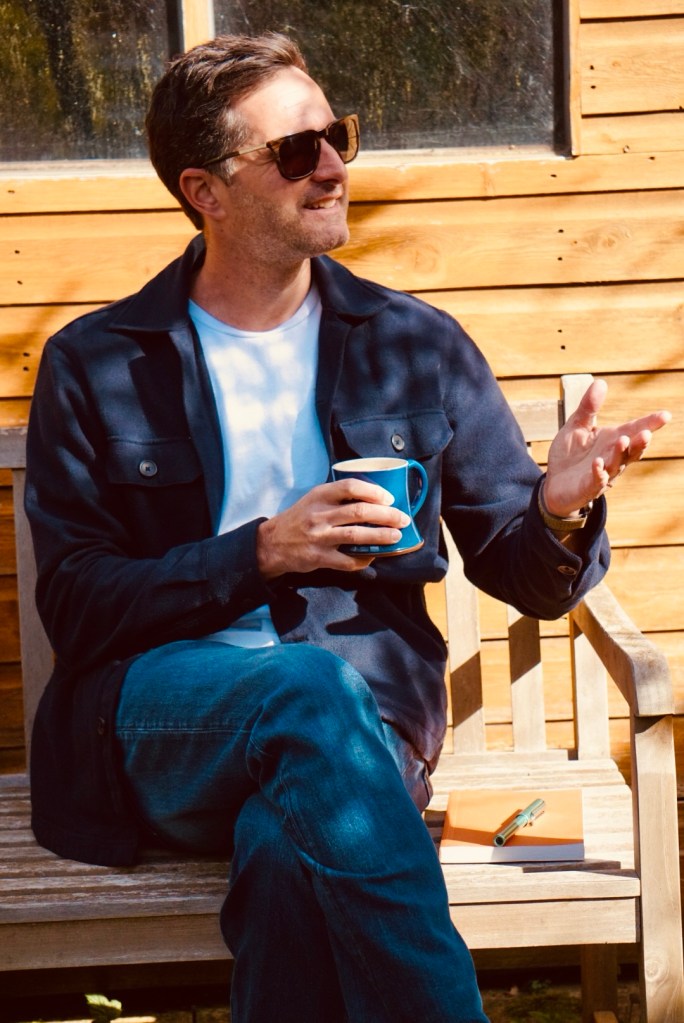
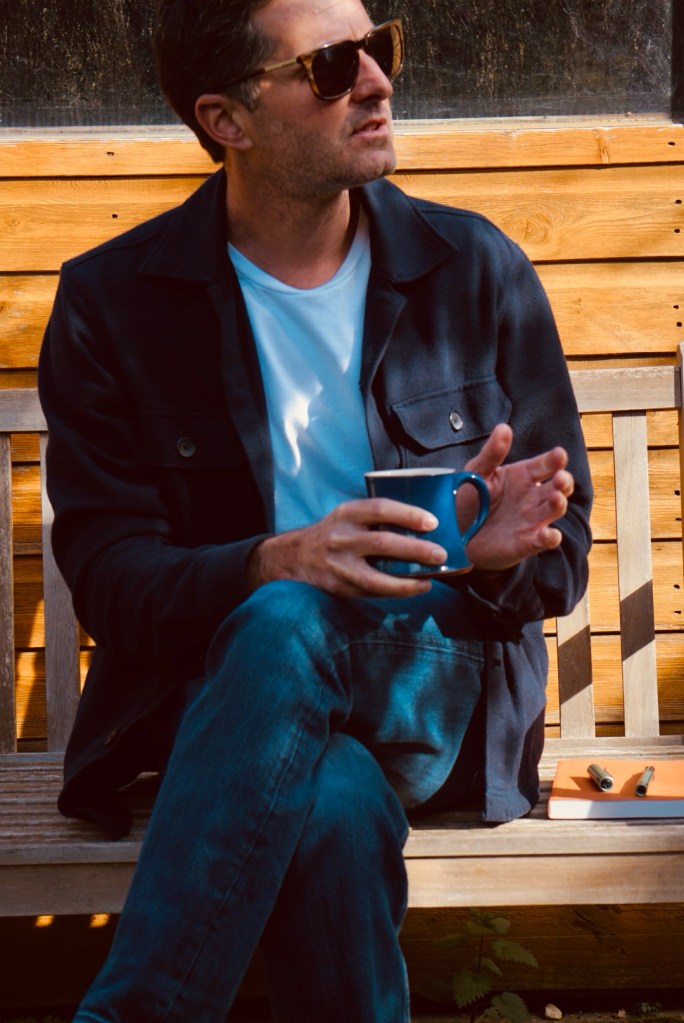
Ekaitz Saies is the Founder and CEO of Paddle Games.

 BEYOND THE LANE.
Leave a comment